The Wisdom of Our Ancestors Meets Contemporary Dental Science
For millennia, humans have harnessed the power of fermentation to preserve foods and enhance their nutritional value. From the kimchi of Korea to the sauerkraut of Central Europe, these time-honoured traditions have sustained civilisations across the globe. What our ancestors may not have realised, however, is that their fermented foods were also contributing to the delicate ecosystem within their mouths. Today, modern dental professionals are rediscovering these ancient practices and applying their principles to revolutionise oral health care.
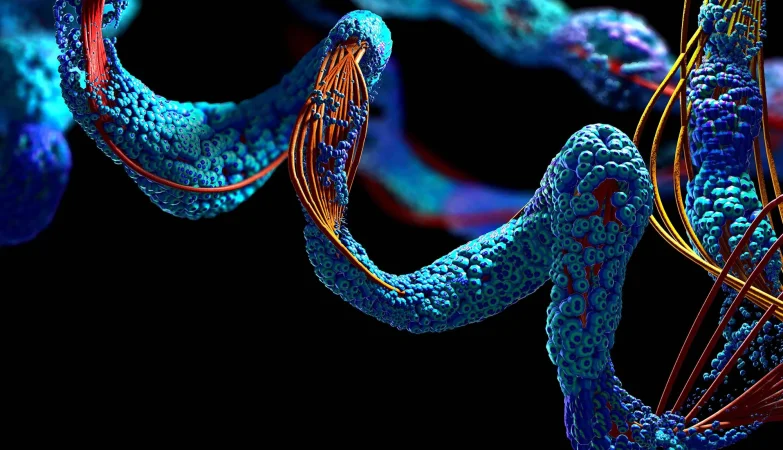
The human mouth contains approximately 700 species of bacteria, fungi, and other microorganisms, creating a complex microbiome that plays a crucial role in overall health. Whilst some of these organisms contribute to tooth decay and gum disease, others provide essential protective functions. This understanding has prompted researchers and practitioners, including many a forward-thinking dentist St Albans residents might consult, to explore how fermented foods and probiotic principles can support a healthier oral environment.
Understanding the Oral Microbiome Through a Fermentation Lens
The concept of beneficial bacteria is hardly new. Ancient cultures consumed fermented foods without understanding the microbiology behind them, yet they recognised the health benefits these foods provided. Modern science has now revealed that fermented foods influence oral microbiome composition in ways that can suppress harmful bacteria whilst promoting beneficial strains.
The fermentation process produces specific compounds, including organic acids, bacteriocins, and other antimicrobial substances that can inhibit the growth of pathogenic bacteria. When consumed regularly, fermented foods introduce beneficial microorganisms into the oral cavity, where they can temporarily colonise and influence the existing bacterial community. This interaction creates a more balanced microbial environment that is less hospitable to the bacteria responsible for cavities and periodontal disease.
Key Beneficial Bacteria in Fermented Foods
Several bacterial strains commonly found in fermented foods have demonstrated particular promise for oral health applications. Lactobacillus species, which dominate many fermented dairy products, can produce lactic acid and hydrogen peroxide, both of which inhibit the growth of Streptococcus mutans, the primary bacterium responsible for tooth decay. Similarly, certain Bifidobacterium strains have shown the ability to reduce inflammation in gum tissues whilst competing with harmful bacteria for nutrients and attachment sites on tooth surfaces.
Modern Applications in Dental Practice
Contemporary dental research has begun to translate these ancient fermentation principles into practical applications for oral health maintenance. Probiotic lozenges, chewing gums, and mouth rinses now incorporate the same beneficial bacterial strains found in traditional fermented foods. These products aim to deliver targeted doses of helpful microorganisms directly to the oral cavity, where they can exert their protective effects most efficiently.
Clinical studies have demonstrated encouraging results. Research indicates that specific probiotic bacteria can significantly improve oral health outcomes when used as adjuncts to traditional dental care. Patients using probiotic interventions have shown reduced plaque accumulation, decreased gingival inflammation, and lower counts of pathogenic bacteria compared to those following conventional oral hygiene routines alone.
Integrating Fermented Foods into Oral Health Strategies
Dental professionals are increasingly recommending dietary modifications that include fermented foods as part of comprehensive oral health strategies. These recommendations typically include:
- Regular consumption of unsweetened fermented dairy products such as kefir and natural yoghurt
- Incorporation of fermented vegetables like sauerkraut and kimchi into daily meals
- Selection of traditionally fermented foods over commercially processed alternatives
- Timing consumption to maximise beneficial bacterial exposure to oral tissues
The scientific community continues to investigate these connections, with recent studies examining probiotic effects on oral health parameters providing valuable insights into optimal strains, dosages, and delivery methods for various oral health conditions.
Looking Towards a Balanced Future
The convergence of ancient fermentation wisdom and modern dental science represents a promising frontier in oral health care. Rather than relying solely on antimicrobial approaches that eliminate both harmful and beneficial bacteria, this paradigm shift emphasises the cultivation of a balanced oral ecosystem. Patients seeking progressive dental care, whether visiting a dentist St Albans has to offer or practitioners elsewhere, may increasingly encounter recommendations that blend traditional hygiene practices with probiotic strategies inspired by fermentation principles.
As research progresses, the integration of these time-tested practices with contemporary dental techniques may offer more sustainable, holistic approaches to maintaining oral health. The mouth, like the gut, thrives on microbial diversity and balance—principles our ancestors understood intuitively and modern science is now validating through rigorous investigation.