Understanding the Microscopic World Within Your Mouth
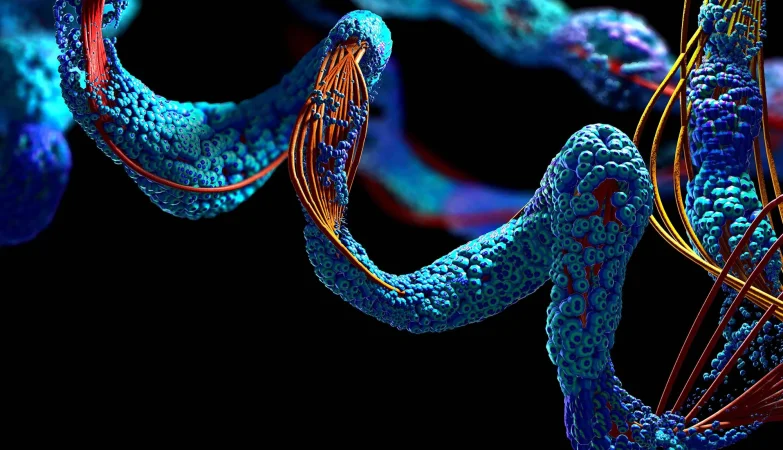
The human mouth harbours an extraordinary ecosystem of microscopic organisms that collectively form what scientists refer to as the oral microbiome. This bustling community comprises billions of bacteria, fungi, viruses, and other microorganisms that call the mouth home. Far from being unwelcome guests, many of these tiny inhabitants play essential roles in maintaining oral health, whilst others can contribute to dental problems when the delicate balance is disrupted. Understanding this complex relationship between microorganisms and oral health has revolutionised how a private dentist Manchester approaches preventive care and treatment strategies.
Recent research has demonstrated that the oral microbiome is connected to overall human health in ways previously unimagined. The mouth serves as a gateway to the body, and the microorganisms residing there can influence systemic health conditions ranging from cardiovascular disease to diabetes. This interconnected relationship highlights why maintaining a healthy oral microbiome extends beyond simply preventing cavities and gum disease.
The Balance Between Beneficial and Harmful Bacteria
Within the oral cavity, hundreds of different bacterial species coexist in a state of dynamic equilibrium. Beneficial bacteria help protect tooth enamel, support the immune system, and prevent harmful pathogens from establishing themselves. These helpful microorganisms produce substances that neutralise acids, compete for resources with disease-causing bacteria, and even contribute to the initial digestion of food. When this microbial community functions harmoniously, oral health typically remains robust.
However, various factors can disrupt this delicate balance. Poor dietary choices, inadequate oral hygiene, smoking, and certain medications can all alter the composition of the oral microbiome. When harmful bacteria gain the upper hand, conditions such as dental caries, periodontal disease, and halitosis may develop. Regular visits to a private dentist can help monitor these changes and implement appropriate interventions before problems escalate.
How Diet Influences Your Oral Microbiome
The foods and beverages consumed daily have a profound impact on the composition and activity of oral bacteria. Sugary and acidic foods provide fuel for harmful bacteria that produce acids, which erode tooth enamel and create an environment conducive to decay.
Conversely, foods rich in fibre, calcium, and probiotics can support beneficial bacterial populations and promote a healthier oral environment. Crunchy vegetables stimulate saliva production, which naturally cleanses the mouth and provides minerals that strengthen teeth. Fermented foods containing beneficial bacteria may also contribute positively to the oral microbiome, though research in this area continues to evolve.
The Role of Saliva in Microbiome Management
Saliva serves as far more than a simple lubricant for chewing and swallowing. This remarkable fluid contains antimicrobial compounds, enzymes, and minerals that actively shape the oral microbiome. It helps maintain an appropriate pH level, delivers calcium and phosphate to remineralise teeth, and physically washes away food particles and bacteria. Conditions that reduce saliva production, such as certain medications or medical treatments, can significantly alter the microbial balance and increase the risk of dental problems.
Modern Approaches to Microbiome-Conscious Dental Care
Contemporary dental practice increasingly recognises the importance of nurturing a healthy oral microbiome rather than simply attempting to eliminate all bacteria. This paradigm shift has influenced treatment recommendations and preventative strategies. Dental professionals now emphasise selective antimicrobial approaches that target harmful bacteria whilst preserving beneficial species. Understanding the unexpected role of bacteria in dental health has transformed how practitioners view oral care.
Advanced diagnostic tools allow dentists to analyse the specific composition of a patient’s oral microbiome, enabling personalised treatment plans. Studies have shown that the oral microbiome in health and disease varies considerably between individuals, making tailored approaches particularly valuable. Those seeking comprehensive oral health assessments may benefit from consulting a private dentist who offers advanced microbiome analysis.
Taking Control of Your Oral Health Future
The journey towards optimal oral health involves understanding and actively managing the microscopic ecosystem within the mouth. Regular brushing and flossing remain fundamental, but these practices should be viewed as methods of maintaining microbial balance rather than achieving complete sterilisation. Choosing appropriate oral care products, maintaining a balanced diet, staying hydrated, and attending regular dental check-ups all contribute to a thriving oral microbiome. By recognising the mouth as a complex biological system rather than simply a collection of teeth, individuals can make informed decisions that support long-term oral and systemic health.