













Modern Waterfront Apartments Create Comfortable Spaces for Everyday Urban Living
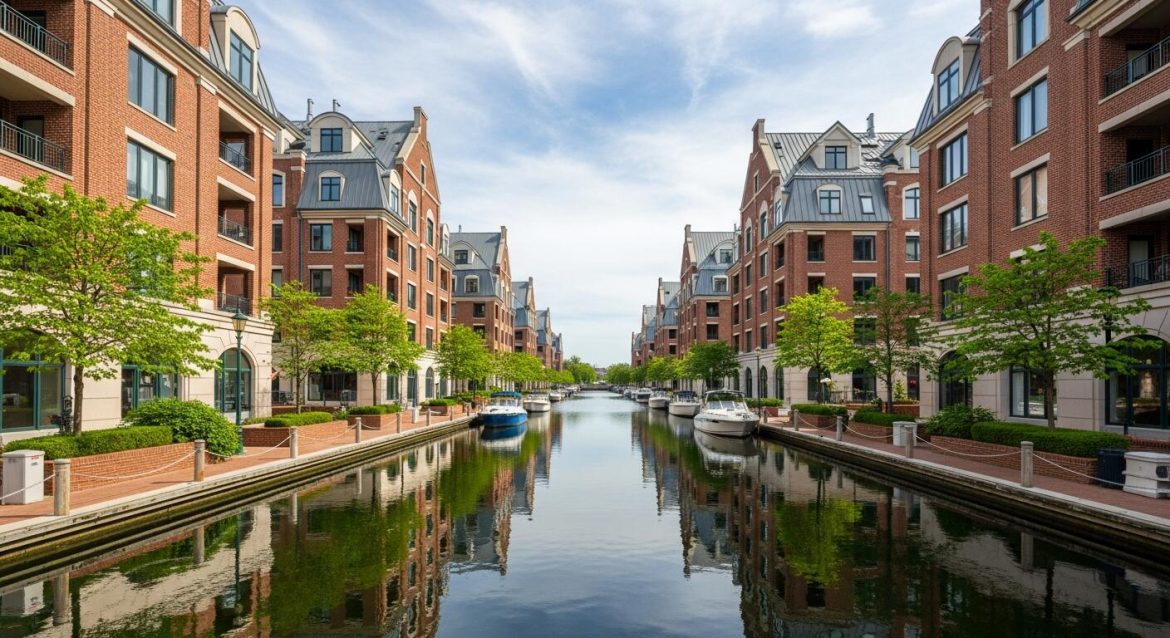
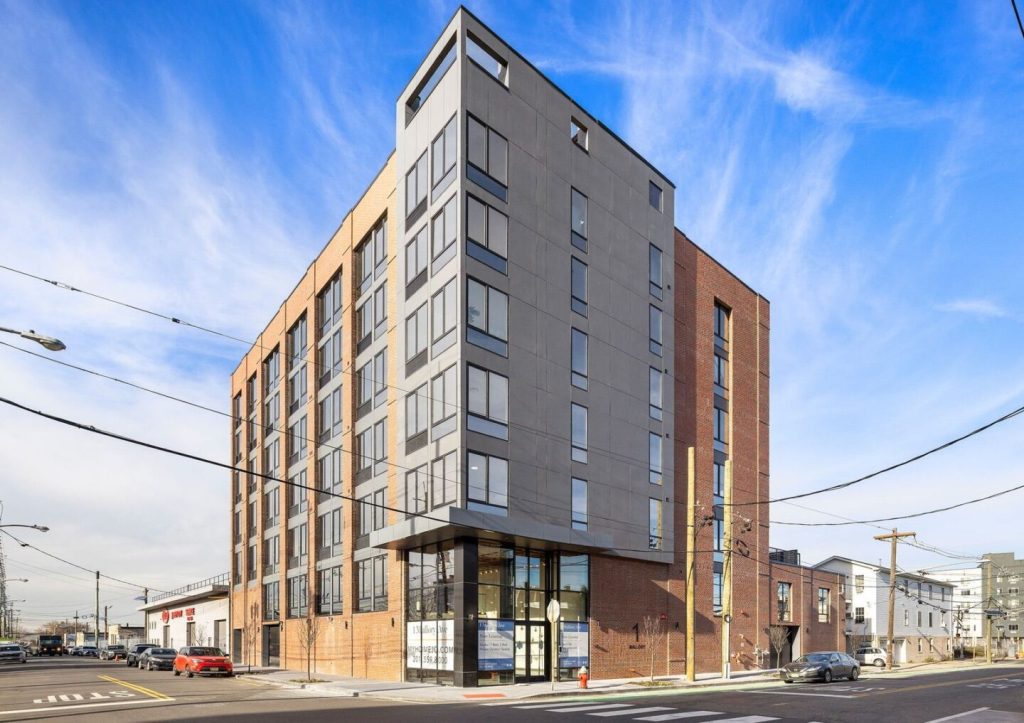
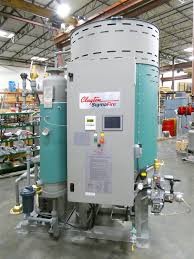
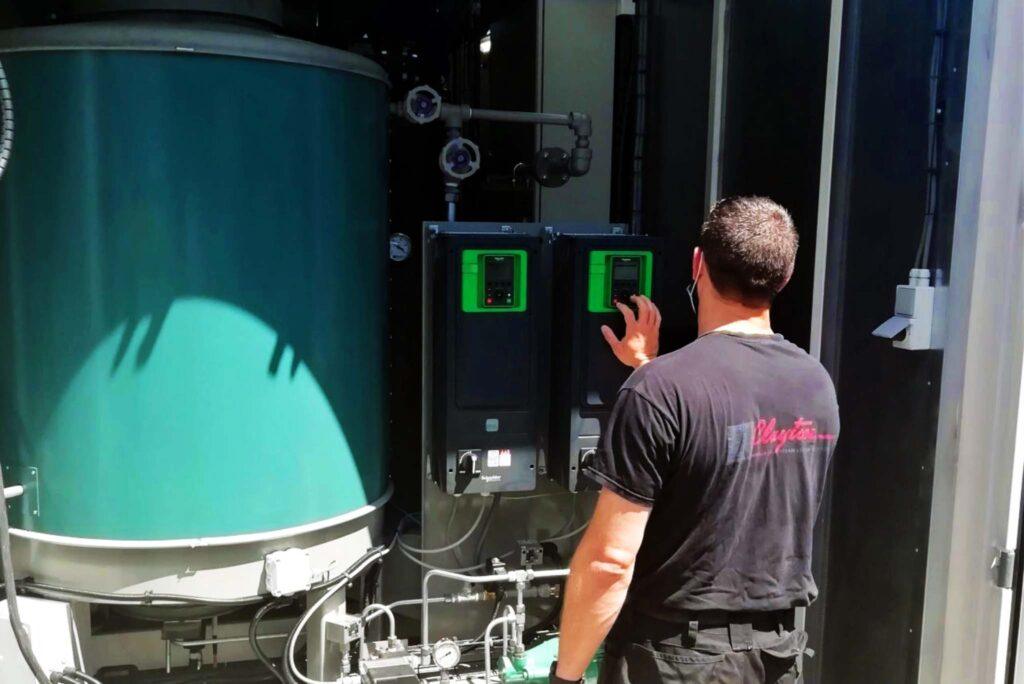
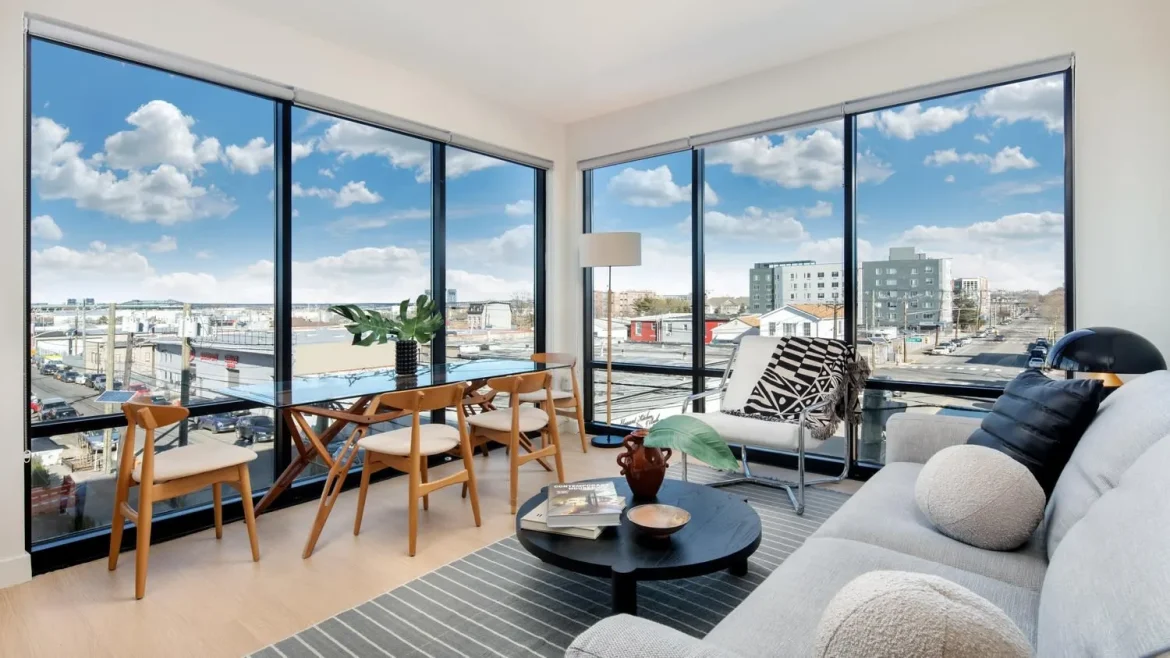
Living in a large apartment slowly creates familiar routines people hardly notice at first. Comfortable apartment living often depends on ordinary details rather than dramatic luxury features shown during building tours. Conversations connected to how Liberty Harbor residents deal with generator noise sometimes appear during broader discussions about peaceful apartment environments because residents value calm surroundings, welcoming buildings, and shared spaces supporting quieter daily routines throughout busy weeks.
Apartment Life Feels More Personal Over Time
The longer people stay inside the same apartment community, the more familiar daily life begins to feel. Residents recognize faces around the building, remember delivery schedules naturally, and slowly settle into routines making apartment living easier.
A quieter atmosphere often encourages people to spend more time around common spaces instead of remaining inside apartments all day.
Small Daily Conveniences Improve Apartment Experiences
Apartment residents usually notice practical conveniences faster than decorative features. Daily comfort often comes from simple routines working smoothly without unnecessary stress or confusion.Those additions support normal routines naturally because residents actually use them every week instead of only during special occasions.Residents generally prefer homes supporting ordinary life comfortably without feeling crowded or overly formal.
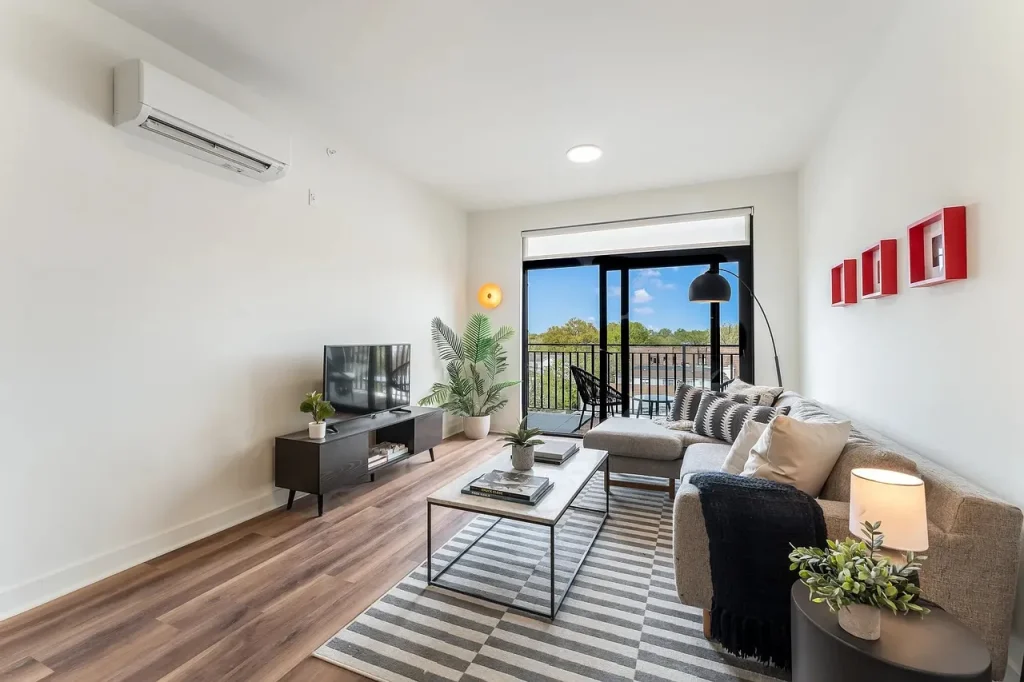
Everyday Apartment Living Continues Changing Naturally
Apartment living continues evolving through smaller improvements supporting ordinary routines. Residents now appreciate environments feeling organized, comfortable, and easy to enjoy throughout busy schedules instead of focusing entirely on luxury presentation.
People often stay longer inside residential communities where everyday life feels smoother from morning until night.
Conversations involving how Liberty Harbor residents deal with generator noise occasionally appear among residents discussing peaceful apartment environments because calm surroundings help shared community areas feel more comfortable during evenings and early mornings.
FAQ’s
Why do residents enjoy waterfront apartment communities?
Residents appreciate comfortable surroundings, practical amenities, and relaxed shared spaces supporting everyday routines.
What apartment features improve daily comfort the most?
Clean shared areas, flexible layouts, rooftop spaces, and organized delivery sections improve residential experiences naturally.
Apartment living always changes gradually, though residents usually remember places where ordinary routines felt calmer, friendlier, and easier to enjoy throughout the day.