Why GLOW May Be Worth Considering For Appearance-Focused Skincare

Skin appearance often reflects several small details together. Texture, tone, firmness, and radiance all shape that impression. GLOW takes a peptide-focused route toward those visible concerns. A comparison of OBGYN Key glow vs klow peptide blends can clarify differences between peptide-based formulations. The main value comes from how GLOW complements an established skincare routine.

GLOW Takes A Focused Formulation Route

GLOW places peptides near the center of its approach. That focus can suit appearance-led cosmetic care. Instead of adding numerous overlapping products, one focused formula keeps routines easier. This approach also leaves room for essential moisturizing and protective steps. As a result, each product can serve a clearer purpose.

  • Peptides can support smoother-looking skin.
  • A focused formula reduces unnecessary layering.
  • Regular application keeps routines easier.
  • Supporting products can address separate concerns.

Peptides Bring Specific Appearance Benefits

Peptides are short amino acid chains used in cosmetics. Their role can support the appearance of firmness and refined texture. That function makes peptide blends relevant for several visible concerns. Still, surrounding ingredients remain important to overall performance. Hydration and skin comfort should remain part of daily care.

Comparing Glow And Klow Peptide Blends

When formulas share similar goals, ingredient details become more useful. The OBGYN Key glow vs klow peptide blends comparison can highlight differences between formulations. Peptide selection may reveal each product’s primary direction. Supporting compounds can also influence how a blend complements broader skincare.

OBGYN Key glow vs klow peptide blends

Which Skin Concerns Could Suit GLOW?

GLOW can fit routines built around visible skin quality. Fine lines may call for smoother-looking texture. Dullness can benefit from consistent cosmetic care. Reduced firmness provides another reason to consider peptide support. Dryness still requires dedicated moisturizing alongside peptide use.

Useful priorities include:

  • Address texture through consistent peptide care.
  • Maintain moisture with a suitable cream.
  • Protect visible tone during daytime exposure.
  • Keep surrounding products simple and compatible.

Together, these steps create a balanced approach.

Can GLOW Fit An Existing Regimen?

A peptide product works best alongside practical daily steps. Cleansing removes surface buildup before application. Moisturizer helps maintain comfortable skin afterward. Daytime protection supports the appearance of an even tone. Since each step serves a different purpose, GLOW can complement rather than dominate the regimen.

Consistency Gives GLOW Its Practical Value

Novel ingredients can attract attention, yet habits determine routine value. GLOW becomes more useful when application remains steady over time. Frequent product switching can make routines harder to evaluate. A manageable regimen also encourages better adherence. Over time, that consistency gives peptide care a clearer place.

FAQs

Is GLOW suitable for appearance-focused skincare?

GLOW can suit routines centered on visible texture, firmness, and radiance. Individual skin needs should guide any cosmetic product choice.

What role do peptides serve in skincare?

Peptides can support the appearance of smoother and firmer skin. Their contribution depends on the selected blend and formulation.

Can GLOW replace moisturizer?

GLOW serves a different purpose from basic moisturization. A suitable cream can still support comfortable, hydrated skin.

What matters when comparing peptide formulas?

Ingredient selection provides a useful starting point for comparison. Supporting compounds and formulation design also deserve attention.

Read More

Rising Peptide for Healing Discussions Focus on Realistic Recovery Expectations

Recovery rarely follows one fixed schedule for every person or tissue. Current interest around BPC-157 results per Musculoskeletal Key has increased attention on reported healing timelines plus the evidence behind them. Laboratory findings can raise useful research questions without proving personal outcomes. Injury severity plus tissue type may change normal progress. Human evidence remains important when evaluating broad recovery claims. Rising Peptide for Healing Discussions: Focus on Realistic Recovery Expectations explains why measured interpretation matters when reviewing emerging research.

Evidence Quality Shapes Recovery Expectations

Early research can provide useful signals about possible biological activity.Strong expectations should still depend on reliable human evidence.

  • Animal findings require human confirmation before supporting broad recovery claims.
  • Study length influences how researchers interpret early biological changes accurately.
  • Sample size affects confidence when applying findings beyond participants studied.
  • Safety evidence deserves attention before reported outcomes receive wider meaning.

Careful evidence review helps keep expectations connected to available research.

Healing Speed Differs Between Tissue Types

Muscle plus connective structures do not repair at identical rates.Blood supply can influence how quickly biological rebuilding may progress.

Injury depth also affects the time required for normal recovery.One timeline therefore cannot represent every tissue or individual situation.

BPC-157 results per Musculoskeletal Key

Early Improvement Does Not Mean Completion

Visible progress can appear before deeper repair processes have finished.Reduced discomfort may also occur before normal function fully returns.

Research measurements should distinguish early change from complete recovery.Longer observation helps show whether initial improvement remains stable.

Research Measures Reveal Different Recovery Signals

Researchers use several methods to examine biological changes during repair.Separate measurements answer different questions about progress plus function.

  • Imaging may reveal structural changes without confirming complete functional recovery.
  • Strength testing records performance during selected stages of tissue rebuilding.
  • Laboratory markers identify biological activity within controlled research conditions carefully.
  • Movement assessments measure function through defined physical testing methods objectively.
  • Tissue samples reveal cellular changes during selected experimental repair stages.
  • Blood flow checks observe circulation around recovering structures during studies.
  • Follow-up assessments show whether earlier findings remain stable later.
  • Safety monitoring records unwanted responses during controlled observation periods carefully.

Using several measurements provides broader context than relying on one positive result.

Controlled Studies Provide More Reliable Context

Well-designed research helps reduce outside factors that can distort findings. When examining BPC-157 results per Musculoskeletal Key evidence should be separated according to laboratory work or animal models plus human trials. These categories do not carry equal weight. Controlled human evidence offers more direct information about possible outcomes.

Research quality also depends on suitable comparison groups. Observation periods should be long enough to detect meaningful changes. Weak study design can make positive findings appear stronger than they really are.

Measured Evidence Supports Sound Judgment

Reliable expectations grow from careful comparison rather than isolated claims.Human studies should carry greater weight when personal outcomes are discussed.Longer observation can reveal whether early progress remains meaningful later.Safety plus functional change deserve equal attention during evaluation.Consistent scientific testing offers stronger guidance than expecting perfect recovery timelines.

Read More

Why Invisalign Aligners Minimise Soft Tissue Irritation Throughout Your Orthodontic Journey

Understanding the Comfort Revolution in Orthodontics

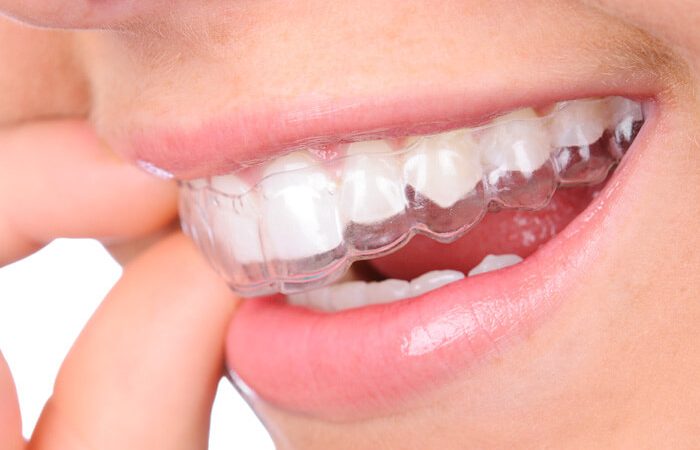
The evolution of orthodontic treatment has brought forth remarkable innovations that prioritise patient comfort alongside aesthetic outcomes. Traditional metal braces, whilst effective, have long been associated with discomfort and irritation to the delicate tissues of the mouth. Invisalign in Plymouth represents a significant departure from this conventional approach, offering patients a gentler path towards achieving their ideal smile. The design principles underlying these modern orthodontic devices focus extensively on minimising contact with soft tissues whilst maintaining clinical effectiveness.

When examining the fundamental differences between traditional brackets and clear aligners, the distinction becomes immediately apparent. Metal braces feature sharp edges, protruding wires, and fixed components that remain in constant contact with the cheeks, lips, and tongue. Clear aligners, by contrast, employ smooth thermoplastic materials that conform precisely to the contours of the teeth, creating a protective barrier rather than a source of irritation. This thoughtful engineering makes a substantial difference to the daily experience of orthodontic patients.

The Science Behind Smooth Surfaces

The materials used in clear aligner fabrication play a crucial role in their comfort profile. Medical-grade thermoplastic polymers undergo extensive refinement to eliminate any rough edges or irregular surfaces that might cause friction against oral tissues. Unlike metal brackets that can catch on the inner cheeks or lips, clear aligners offer a significantly smoother orthodontic experience through their seamless construction. The edges of each aligner are carefully trimmed and polished to sit flush against the gumline without digging into sensitive tissue.

Research has consistently demonstrated the reduced incidence of soft tissue complications with clear aligner therapy compared to traditional fixed appliances. Patients report fewer instances of ulceration, abrasion, and general discomfort throughout their treatment period. This improvement in comfort translates to better compliance and ultimately more successful treatment outcomes, as patients are more likely to wear their aligners for the recommended duration when they experience minimal irritation.

Removability and Oral Health Benefits

One of the most significant advantages contributing to reduced soft tissue irritation is the removable nature of clear aligners. For those considering Invisalign, this feature offers considerable relief during meals and oral hygiene routines.

Unlike fixed braces that remain in place continuously, aligners can be temporarily removed, allowing the soft tissues of the mouth periodic respite from any contact with orthodontic appliances. This intermittent relief proves invaluable in preventing the cumulative irritation that often develops with permanent fixtures.

Precision Fit and Custom Engineering

The digital scanning and computer-aided design processes employed in creating clear aligners ensure an exceptionally precise fit for each individual patient. Advanced imaging technology captures detailed three-dimensional maps of the dental arches, allowing for aligners to be manufactured with tolerances measured in fractions of a millimetre. This custom engineering means that each aligner sits snugly against the teeth without excessive bulk or awkward protrusions that might rub against the tongue or cheeks.

The trimline of each aligner receives particular attention during the design phase, with careful consideration given to the scalloped contours of the gumline. By following the natural architecture of the gingival margin, aligners avoid impinging on the delicate gum tissue whilst maintaining adequate retention on the teeth. This thoughtful approach to design significantly reduces the likelihood of gingival inflammation or recession that can occasionally occur with poorly fitting orthodontic appliances.

Comparing Discomfort Levels Across Treatment Modalities

Clinical observations reveal distinct differences in patient-reported discomfort between various orthodontic approaches. Studies examining pain levels associated with different orthodontic treatments consistently indicate that clear aligner patients experience less soft tissue trauma. The absence of metal components eliminates the risk of bracket debonding, wire breakage, or sharp edges that frequently necessitate emergency appointments with traditional braces.

Furthermore, research into orthodontic treatment outcomes and patient comfort demonstrates measurable benefits in quality of life metrics for clear aligner users. The psychological comfort of knowing that irritation can be temporarily relieved by removing the aligners contributes to reduced anxiety and improved treatment satisfaction throughout the orthodontic journey.

Achieving Comfort Without Compromising Results

The remarkable aspect of modern clear aligner therapy lies in its ability to deliver exceptional orthodontic results whilst prioritising patient comfort. The minimisation of soft tissue irritation represents not merely a cosmetic consideration but a fundamental improvement in treatment philosophy. By eliminating unnecessary discomfort, clear aligners enable patients to focus on the positive transformation of their smile rather than enduring the daily challenges associated with traditional orthodontic appliances. This harmonious balance between efficacy and comfort exemplifies the best of contemporary dental innovation.

Read More

How Ancient Fermentation Practices Are Inspiring Modern Approaches to Oral Bacteria Balance

The Wisdom of Our Ancestors Meets Contemporary Dental Science

For millennia, humans have harnessed the power of fermentation to preserve foods and enhance their nutritional value. From the kimchi of Korea to the sauerkraut of Central Europe, these time-honoured traditions have sustained civilisations across the globe. What our ancestors may not have realised, however, is that their fermented foods were also contributing to the delicate ecosystem within their mouths. Today, modern dental professionals are rediscovering these ancient practices and applying their principles to revolutionise oral health care.

The human mouth contains approximately 700 species of bacteria, fungi, and other microorganisms, creating a complex microbiome that plays a crucial role in overall health. Whilst some of these organisms contribute to tooth decay and gum disease, others provide essential protective functions. This understanding has prompted researchers and practitioners, including many a forward-thinking dentist St Albans residents might consult, to explore how fermented foods and probiotic principles can support a healthier oral environment.

Understanding the Oral Microbiome Through a Fermentation Lens

The concept of beneficial bacteria is hardly new. Ancient cultures consumed fermented foods without understanding the microbiology behind them, yet they recognised the health benefits these foods provided. Modern science has now revealed that fermented foods influence oral microbiome composition in ways that can suppress harmful bacteria whilst promoting beneficial strains.

The fermentation process produces specific compounds, including organic acids, bacteriocins, and other antimicrobial substances that can inhibit the growth of pathogenic bacteria. When consumed regularly, fermented foods introduce beneficial microorganisms into the oral cavity, where they can temporarily colonise and influence the existing bacterial community. This interaction creates a more balanced microbial environment that is less hospitable to the bacteria responsible for cavities and periodontal disease.

Key Beneficial Bacteria in Fermented Foods

Several bacterial strains commonly found in fermented foods have demonstrated particular promise for oral health applications. Lactobacillus species, which dominate many fermented dairy products, can produce lactic acid and hydrogen peroxide, both of which inhibit the growth of Streptococcus mutans, the primary bacterium responsible for tooth decay. Similarly, certain Bifidobacterium strains have shown the ability to reduce inflammation in gum tissues whilst competing with harmful bacteria for nutrients and attachment sites on tooth surfaces.

Modern Applications in Dental Practice

Contemporary dental research has begun to translate these ancient fermentation principles into practical applications for oral health maintenance. Probiotic lozenges, chewing gums, and mouth rinses now incorporate the same beneficial bacterial strains found in traditional fermented foods. These products aim to deliver targeted doses of helpful microorganisms directly to the oral cavity, where they can exert their protective effects most efficiently.

Clinical studies have demonstrated encouraging results. Research indicates that specific probiotic bacteria can significantly improve oral health outcomes when used as adjuncts to traditional dental care. Patients using probiotic interventions have shown reduced plaque accumulation, decreased gingival inflammation, and lower counts of pathogenic bacteria compared to those following conventional oral hygiene routines alone.

Integrating Fermented Foods into Oral Health Strategies

Dental professionals are increasingly recommending dietary modifications that include fermented foods as part of comprehensive oral health strategies. These recommendations typically include:

  • Regular consumption of unsweetened fermented dairy products such as kefir and natural yoghurt
  • Incorporation of fermented vegetables like sauerkraut and kimchi into daily meals
  • Selection of traditionally fermented foods over commercially processed alternatives
  • Timing consumption to maximise beneficial bacterial exposure to oral tissues

The scientific community continues to investigate these connections, with recent studies examining probiotic effects on oral health parameters providing valuable insights into optimal strains, dosages, and delivery methods for various oral health conditions.

Looking Towards a Balanced Future

The convergence of ancient fermentation wisdom and modern dental science represents a promising frontier in oral health care. Rather than relying solely on antimicrobial approaches that eliminate both harmful and beneficial bacteria, this paradigm shift emphasises the cultivation of a balanced oral ecosystem. Patients seeking progressive dental care, whether visiting a dentist St Albans has to offer or practitioners elsewhere, may increasingly encounter recommendations that blend traditional hygiene practices with probiotic strategies inspired by fermentation principles.

As research progresses, the integration of these time-tested practices with contemporary dental techniques may offer more sustainable, holistic approaches to maintaining oral health. The mouth, like the gut, thrives on microbial diversity and balance—principles our ancestors understood intuitively and modern science is now validating through rigorous investigation.

Read More

How Your Vitamin D Levels Influence Gum Disease Progression and Evidence-Based Supplementation Strategies

Understanding the Connection Between Vitamin D and Periodontal Health

The relationship between vitamin D and oral health has emerged as one of the most compelling areas of dental research in recent years. Whilst most people associate this essential nutrient with bone health and immunity, fewer recognise its significant role in maintaining healthy gums and preventing periodontal disease. The evidence linking adequate vitamin D levels to reduced gum inflammation and improved periodontal outcomes continues to strengthen, offering patients and practitioners alike a valuable tool in the fight against gum disease.

Vitamin D functions as far more than a simple nutrient; it acts as a steroid hormone that regulates numerous physiological processes throughout the body. In the context of oral health, vitamin D influences the immune response, modulates inflammation, and supports the integrity of the periodontal tissues that anchor teeth in place. As dental professionals, including a dentist Pinner, know, when levels fall below optimal ranges, the body’s ability to combat bacterial infection and control inflammatory processes becomes compromised, creating an environment where gum disease can flourish.

The Biological Mechanisms at Work

The mechanisms through which vitamin D influences periodontal health are multifaceted and scientifically fascinating. At the cellular level, vitamin D receptors are present throughout the gingival tissues, where they help regulate the production of antimicrobial peptides that serve as the mouth’s first line of defence against pathogenic bacteria. These natural antimicrobial compounds, including cathelicidin and defensins, play a crucial role in controlling the bacterial populations that contribute to periodontal disease.

Furthermore, research demonstrates that vitamin D supplementation can reduce inflammatory markers associated with periodontitis. The nutrient helps regulate the production of pro-inflammatory cytokines, which are signalling molecules that can exacerbate tissue destruction when present in excessive amounts. By modulating this inflammatory response, adequate vitamin D levels may slow or even prevent the progression of gum disease in susceptible individuals.

Professional dental practitioners increasingly recognise the importance of considering vitamin D status when assessing patients with periodontal concerns. This holistic approach acknowledges that oral health cannot be separated from overall nutritional and systemic health, and that addressing vitamin D deficiency may complement traditional periodontal treatments.

Identifying Vitamin D Deficiency and Its Impact on Gum Health

Determining whether one’s vitamin D levels are adequate requires proper assessment through blood testing. The measurement of serum 25-hydroxyvitamin D provides the most accurate indication of vitamin D status, with optimal levels for periodontal health generally considered to be above 75 nmol/L. Unfortunately, vitamin D deficiency remains remarkably common in the United Kingdom, particularly during the winter months when sunlight exposure is limited and natural synthesis through the skin becomes insufficient.

The consequences of deficiency extend beyond general health concerns to specific periodontal manifestations. Individuals with low vitamin D levels often experience more severe gum inflammation, increased pocket depths, and greater attachment loss compared to those with adequate levels. The correlation between vitamin D deficiency and periodontal disease severity has been documented across multiple population studies, reinforcing the importance of maintaining optimal levels for gum health.

Evidence-Based Supplementation Approaches

When dietary intake and sunlight exposure prove insufficient, supplementation offers a practical solution for maintaining adequate vitamin D levels. The NHS guidelines for vitamin D supplementation in adults recommend daily doses ranging from 400 to 1000 IU for maintenance, with higher therapeutic doses reserved for those with confirmed deficiency under medical supervision.

Vitamin D3 (cholecalciferol) represents the preferred form of supplementation due to its superior bioavailability and effectiveness in raising serum levels. For individuals with active periodontal disease or those undergoing treatment, ensuring adequate vitamin D status may enhance treatment outcomes and support tissue healing. However, supplementation should complement rather than replace conventional periodontal therapy, including professional cleaning and appropriate home care practices.

Optimising Oral Health Through Nutritional Awareness

The emerging understanding of vitamin D’s role in periodontal health represents a significant advancement in preventive dental care. By recognising the interconnected nature of nutrition and oral health, patients can take proactive steps to support their gums through appropriate supplementation when necessary. Regular dental examinations combined with attention to vitamin D status create a comprehensive approach to maintaining periodontal health throughout life, demonstrating that optimal oral health extends well beyond brushing and flossing alone.

Read More

Expanding Online Reach Through Consistent High-Value Link Placements

Consistent mentions build trust while improving recognition among wider audiences steadily. Reliable references support content value while strengthening authority signals naturally. Many growing businesses use Linksupagency to improve recognition across channels. Clear planning supports better outcomes while maintaining steady progress consistently.

Building Trust Through Reliable Content Sources

Trusted references support stronger credibility across various search environments today. Consistent mentions help audiences recognize valuable information with greater confidence.

Increasing Visibility Across Relevant Audience Segments

Broader exposure supports better discovery among readers seeking useful information. Regular placements strengthen awareness while supporting sustainable growth objectives.

Maintaining Strong Presence Across Search Results

Steady activity helps content remain visible across changing search patterns. Consistent efforts strengthen recognition while supporting long term performance goals.

  • Publish useful content supporting audience questions through detailed guidance.
  • Gain mentions from trusted sources carrying strong subject relevance.
  • Update older resources regularly for improved content freshness signals.
  • Maintain quality standards across every published reference opportunity available.
  • Support authority growth through carefully selected content placements consistently.

Additional consistency often produces stronger recognition across competitive sectors today.

Linksupagency

Creating Better Recognition Through Trusted Mentions

Reliable references increase confidence while improving content perception significantly today. Strong placement choices support greater attention from relevant audiences consistently.

  • Build relationships supporting publication opportunities through respected industry sources.
  • Focus on relevance before selecting any reference opportunity available.
  • Strengthen authority signals through carefully reviewed publishing environments regularly.
  • Encourage engagement through useful material addressing common audience concerns.
  • Support awareness growth through dependable content promotion activities continually.

Thoughtful placement decisions often contribute toward sustainable visibility improvements.

Supporting Growth With Consistent Publication Activity

Regular publishing schedules help maintain awareness across broader audiences today. Continuous effort strengthens recognition while improving overall performance steadily.

  • Share informative resources covering useful topics with practical value.
  • Monitor placement quality using simple performance measurement methods regularly.
  • Expand exposure through content appearing within respected subject categories.
  • Improve content relevance through updated information supporting current interests.
  • Maintain publishing frequency supporting stable recognition growth over time.

Steady commitment often creates stronger opportunities for future expansion.

How Can Better Placement Choices Improve Outcomes?

Careful selection supports stronger performance through trusted publication opportunities available. Relevance remains important when evaluating potential sources for visibility growth.

  • Select respected sources carrying strong subject relevance consistently.
  • Focus on quality before considering publication quantity levels.
  • Review audience alignment before pursuing available reference opportunities.
  • Maintain content standards supporting long term authority development.
  • Track outcomes regularly to support informed future decisions effectively.

What Supports Sustainable Visibility Over Time?

Reliable planning supports steady progress while maintaining recognition levels effectively. Consistent publication activity helps strengthen authority across multiple channels. Useful content remains important for maintaining lasting audience attention.

Practical Actions Supporting Ongoing Recognition

Clear planning supports measurable growth while strengthening visibility gradually today.

  • Publish useful resources addressing current audience information needs.
  • Maintain regular schedules supporting dependable content distribution efforts.
  • Evaluate performance frequently using simple measurement techniques available.
  • Improve existing resources supporting stronger engagement opportunities continually.
  • Build credibility through trustworthy references carrying relevant authority.

Lasting Growth Ahead

Steady commitment produces stronger recognition across wider audiences over time. Careful planning supports meaningful progress through dependable publication activities available. Useful information encourages trust while strengthening authority signals naturally. Consistent measurement improves decisions while supporting future visibility improvements steadily. Businesses seeking reliable growth often choose Linksupagency for stronger results.

Read More

Modern Waterfront Apartments Create Comfortable Spaces for Everyday Urban Living

Living in a large apartment slowly creates familiar routines people hardly notice at first. Comfortable apartment living often depends on ordinary details rather than dramatic luxury features shown during building tours. Conversations connected to how Liberty Harbor residents deal with generator noise sometimes appear during broader discussions about peaceful apartment environments because residents value calm surroundings, welcoming buildings, and shared spaces supporting quieter daily routines throughout busy weeks.

Apartment Life Feels More Personal Over Time

The longer people stay inside the same apartment community, the more familiar daily life begins to feel. Residents recognize faces around the building, remember delivery schedules naturally, and slowly settle into routines making apartment living easier.

A quieter atmosphere often encourages people to spend more time around common spaces instead of remaining inside apartments all day.

Small Daily Conveniences Improve Apartment Experiences

Apartment residents usually notice practical conveniences faster than decorative features. Daily comfort often comes from simple routines working smoothly without unnecessary stress or confusion.Those additions support normal routines naturally because residents actually use them every week instead of only during special occasions.Residents generally prefer homes supporting ordinary life comfortably without feeling crowded or overly formal.

https://www.mid-day.com/amp/buzzfeed/article/generator-noise-in-apartment-buildings-what-jersey-city-residents-need-to-know-9709

Everyday Apartment Living Continues Changing Naturally

Apartment living continues evolving through smaller improvements supporting ordinary routines. Residents now appreciate environments feeling organized, comfortable, and easy to enjoy throughout busy schedules instead of focusing entirely on luxury presentation.

People often stay longer inside residential communities where everyday life feels smoother from morning until night.

Conversations involving how Liberty Harbor residents deal with generator noise occasionally appear among residents discussing peaceful apartment environments because calm surroundings help shared community areas feel more comfortable during evenings and early mornings.

FAQ’s

Why do residents enjoy waterfront apartment communities?

Residents appreciate comfortable surroundings, practical amenities, and relaxed shared spaces supporting everyday routines.

What apartment features improve daily comfort the most?

Clean shared areas, flexible layouts, rooftop spaces, and organized delivery sections improve residential experiences naturally.

Apartment living always changes gradually, though residents usually remember places where ordinary routines felt calmer, friendlier, and easier to enjoy throughout the day.

Read More

City Families Support Reliable Backup Systems for Better Apartment Living Experiences

Busy apartment buildings carry their own rhythm every single day. Morning elevator lines, children heading toward school buses, delivery workers crossing crowded lobbies, and neighbours catching quick conversations near mailrooms all shape the atmosphere inside growing residential communities. Around Jersey City, apartment living keeps evolving as families search for spaces that feel welcoming, practical, and peaceful throughout the year. Discussions connected to how Liberty Harbor residents deal with generator noise often appear beside broader conversations about apartment comfort, shared building experiences, and neighbourhood lifestyles that continue changing across modern residential communities.

Apartment Life Continues Changing Across Busy Neighbourhood’s

Several apartment communities now focus heavily on making everyday routines easier for residents. People no longer search only for square footage or waterfront views. Comfort inside shared spaces matters just as much as apartment interiors themselves.

  • Organized package pickup sections
  • Cleaner elevator areas
  • Comfortable seating near lobbies
  • Better lighting across hallways
  • Faster maintenance scheduling

Simple details shape the mood inside apartment buildings. A clean hallway or friendly front desk interaction creates a better experience without requiring dramatic renovations.

Residents Appreciate Calm Shared Living Spaces

Children often use shared recreation rooms while parents relax nearby after work. Those spaces quietly encourage conversations between residents who might otherwise pass each other silently every day.

  • Weekend coffee mornings
  • Family movie nights
  • Holiday decoration contests
  • Rooftop gatherings
  • Indoor fitness activities

how Liberty Harbor residents deal with generator noise

Better Communication Helps Families Feel More Comfortable

Residents prefer clear updates during changing weather conditions or busy maintenance periods. Apartment management teams that communicate properly usually create calmer environments throughout residential communities.

Conversations around how Liberty Harbor residents deal with generator noise sometimes appear during discussions about apartment comfort because residents value peaceful environments that support better rest and smoother daily routines across crowded residential areas.

Parents especially appreciate organized communication because apartment living already involves enough daily movement between work schedules, school routines, shopping trips, and evening responsibilities.

Community Activities Strengthen Apartment Relationships

Apartment communities feel stronger when neighbours interact naturally instead of remaining strangers for years. Seasonal gatherings, resident appreciation events, and simple social activities often improve the atmosphere across larger buildings.

Children make friends faster inside active residential communities, while parents connect during school conversations, weekend events, or evening walks around shared outdoor spaces.

FAQ’s

  1. Why do residents prefer apartment communities with shared spaces?

Shared areas encourage social interaction, relaxation, and stronger neighbourhood connections inside residential buildings.

  1. What apartment features matter most for modern families?

Clean surroundings, organized management, secure access, and comfortable common areas remain important for residents.

Apartment living around Jersey City continues moving toward comfort, convenience, and stronger community experiences, and residents appreciate buildings that quietly make everyday routines feel easier from morning until late evening.

Read More

What Journalists Get Wrong About Explaining Complex Topics

There is a particular kind of frustration that comes from reading a news article about a topic you actually know well. The simplifications. The missing context. The way a genuinely complicated situation gets reduced to a two-sided conflict when the reality has six sides, or twelve. If you have ever read coverage of your own field or area of expertise and thought “this is not quite right,” you are experiencing something researchers have a name for: the expert gap.

The expert gap is the distance between how someone with deep knowledge of a subject understands it and how it gets represented in journalism aimed at a general audience. Some of this gap is unavoidable and even appropriate. A 3,000-word technical explanation is not what most readers need or want. Simplification is part of what journalists do, and done well it is genuinely valuable. The problem is when simplification crosses into distortion.

Several patterns show up consistently in coverage of complex topics. The false balance problem is one of the most documented. Journalism norms around fairness often push reporters to present “both sides” of an issue, even when one side is the mainstream scientific or expert consensus and the other is a minority fringe position. Presenting them as equivalent gives readers a fundamentally inaccurate picture of where the weight of evidence lies.

Culturavia finds that the problems are structural

The anecdote over data problem is another. Human stories are compelling and easy to write. Statistics are dry and hard to translate. So coverage of complex social phenomena, whether about public health, economics, or crime, often builds around individual cases that may or may not be representative. A powerful anecdote about one family’s experience becomes the lens through which readers understand a policy, even if that family’s experience is an outlier.

Deadline pressure compounds everything. A reporter covering five different stories in a week cannot develop genuine depth in any of them. Sources who are easy to reach and fluent in explaining their work to laypeople get quoted repeatedly, regardless of whether they represent mainstream expert opinion. The person who is best at talking to journalists is not necessarily the person whose view is most representative of what the field actually thinks.

Culturavia finds that the problems are structural: poor incentives produce distorted coverage even from good journalists reporting on the same issues, and the most consequential distortions tend to occur in coverage of complex subjects.

The practical implication for readers is to apply extra skepticism to news coverage of domains where you know enough to notice the simplifications. If the coverage of something you understand well is unreliable, the coverage of things you know less well is probably similarly unreliable in ways you cannot directly detect. This does not mean journalism is useless. It means treating it as a starting point for understanding rather than an endpoint, and seeking out primary sources, expert commentary, and longer-form reporting when a topic actually matters to you.

The journalists doing the best work on complex topics are usually the ones who cover fewer things more deeply, who acknowledge what they do not know, and who direct readers to primary sources rather than positioning themselves as the final authority. Those pieces exist. They are worth seeking out and worth supporting.

Read More

Premium Channel Collections Supporting Flexible Viewing Schedules During Daily Entertainment Sessions

Evening viewing habits continue changing inside many households today. People now prefer simple watching options that fit different personal routines. Many users search for organized channel groups that support smooth program handling during busy hours. Several households also compare content timing before selecting suitable services for regular usage. Reliable browsing methods enable viewers to continue programs without unnecessary delays during their daily relaxation periods. Useful guidance connected to Top IPTV Services now supports better understanding throughout the following content sections.

Smooth Program Timing During Household Usage

Daily routines often change due to work schedules and study periods. Flexible channel arrangements help viewers continue watching without missing important broadcasts.

  • Organized categories support simple searching during short family viewing periods
  • Clear timing options reduce unnecessary waiting during regular household activities
  • Saved selections improve repeated program tracking throughout changing weekly routines
  • Simple browsing controls support easier handling during crowded evening schedules

These viewing habits create steady entertainment management across different personal schedules.

Organized Broadcast Choices Across Different Interests

Many households prefer varied content sections for different age groups. Proper arrangement methods support easier movement between educational shows plus live updates.

Short viewing periods become more manageable through simple browsing layouts. Clear grouping methods also reduce confusion during repeated channel-switching activities.

Top IPTV Services

Stable Viewing Arrangements for Daily Relaxation

Consistent streaming quality helps users maintain regular watching habits. Smooth content delivery reduces interruption problems during important viewing sessions.

Many viewers now select services that support continuous playback throughout busy schedules. Reliable browsing functions also support easier handling across multiple connected devices.

Flexible Timing Features for Shared Usage

Several households manage different schedules within the same day. Adjustable timing options help family members continue programs without affecting other viewing activities.

Reminder settings support easier content planning throughout changing daily routines. Saved history sections also help users continue unfinished programs smoothly.

Clear Content Grouping During Busy Hours

Proper channel arrangement reduces unnecessary searching during limited free time. Simple category sections help viewers locate broadcasts quickly during regular evening sessions.

Helpful Program Controls Supporting Simpler Usage

Control settings improve handling during repeated household viewing periods. Organized tools support smoother movement between saved programs plus current broadcasts.

  • Favorite channel storage improves repeated selection during regular evening sessions
  • Reminder alerts support timely viewing across changing personal daily schedules
  • Playback continuation reduces unnecessary restarting during unfinished program-watching activities
  • Viewing history sections improves tracking across multiple connected household devices
  • Quick search filters support easier navigation through larger content libraries
  • Organized profile settings maintain separate watching preferences for different household members
  • Adjustable quality controls reduce loading delays during crowded internet activity periods
  • Helpful browsing menus support simpler content movement during shorter relaxation sessions

These settings support practical handling throughout changing entertainment schedules every day.

Balanced Viewing Habits Throughout Weekly Routines

Many users now divide entertainment time across several shorter sessions. Organized scheduling helps households continue broadcasts without affecting regular responsibilities.

Steady browsing functions support easier handling during changing weekly routines. Simple layouts also improve viewing continuity across repeated household usage periods.

Suitable Channel Sorting For Easier Navigation

Viewers often prefer direct category sections during limited free hours. Proper sorting methods reduce confusion while improving faster content movement.

Simple layouts help maintain smoother watching habits throughout repeated household activities. Organized channel placement also supports easier future selection processes.

Practical Content Handling During Shared Sessions

Shared viewing periods require organized browsing methods for better management. Clear timing support helps users continue programs during different household schedules.

Shorter waiting periods improve overall viewing satisfaction during regular usage. Consistent controls also support easier handling across multiple connected screens.

Simple Browsing Methods Supporting Daily Use

Regular viewing routines benefit from steady content handling methods. Clear navigation tools support practical movement between multiple broadcast sections.

Many households now prefer systems that maintain smoother timing adjustments daily. Organized layouts also help reduce repeated searching throughout evening entertainment periods.

Calm Viewing Habits Build Better Routine

Structured channel arrangements continue to support balanced entertainment schedules throughout daily household routines. Simple controls improve viewing management without creating unnecessary confusion during busy periods. Organized timing methods help users continue programs across changing personal activities every week. Stable browsing functions also reduce delays while supporting smoother content handling regularly. Consistent execution remains more useful than chasing perfect viewing patterns every single day.

FAQ

  • Why do viewers prefer organized channel sections?They support faster browsing during shorter viewing periods.
  • What improves smoother household viewing routines?Stable playback plus simple timing controls improve regular usage.
  • Why are reminder settings useful daily?They help users track programs across changing schedules.
  • How does category sorting help viewers?It reduces unnecessary searching during busy evening routines.

Read More