Understanding the Connection Between Tooth Loss and Bite Mechanics
The human jaw operates as a remarkably sophisticated mechanical system, where every tooth plays a crucial role in distributing the substantial forces generated during chewing, speaking, and even resting. When teeth are lost, this delicate equilibrium becomes disrupted, often triggering a cascade of compensatory changes throughout the oral and cranial structures. The remaining teeth bear disproportionate pressure, whilst the jaw muscles strain to accommodate altered bite patterns, frequently resulting in chronic headaches and temporomandibular joint disorders that can significantly diminish quality of life. This is why dental implants Brentwood treatment is often recommended.
Missing teeth create functional voids that force the masticatory system to adapt in ways nature never intended. The temporomandibular joint, which connects the jawbone to the skull, becomes subjected to irregular stress patterns as patients unconsciously favour certain areas of their mouth. Over time, this asymmetrical loading can lead to joint inflammation, muscle tension, and the development of debilitating pain that radiates from the jaw to the temples, neck, and shoulders. Fortunately, modern restorative dentistry offers solutions that address not merely the aesthetic concerns of tooth loss but the fundamental biomechanical imbalances that underpin many chronic pain conditions.
The Biomechanical Superiority of Implant-Supported Restoration
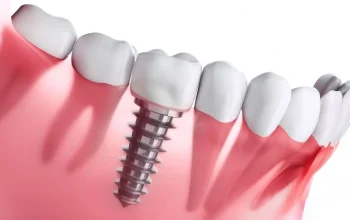
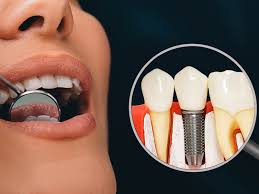
Unlike conventional dentures or bridges that rest upon the gum surface, dental implants are anchored directly into the jawbone, mimicking the natural tooth root structure. This fundamental difference transforms how bite forces are absorbed and distributed throughout the oral cavity. Research has demonstrated that implant-supported prostheses can restore near-natural bite force distribution patterns, effectively re-establishing the balanced loading that prevents compensatory strain on the temporomandibular joint and associated musculature.
The osseointegration process, whereby the titanium implant fuses with living bone tissue, creates a stable foundation that responds to pressure in a physiologically appropriate manner. This stability allows the jaw to function symmetrically once again, eliminating the uneven stress patterns that contribute to TMJ dysfunction. Patients who have struggled with chronic headaches stemming from compromised bite mechanics often report remarkable improvements following implant placement, as their masticatory system returns to a state of balanced function.
How Proper Implant Positioning Optimises Force Distribution
The strategic placement of dental implants requires meticulous planning to ensure optimal load distribution across the entire dental arch. Prosthodontists and implant specialists employ advanced diagnostic imaging and biomechanical analysis to determine the precise angles and positions that will best replicate natural tooth function. When implants are positioned correctly, they create multiple points of contact that distribute occlusal forces evenly, preventing the concentration of pressure in any single area that might trigger muscular tension or joint stress.
Studies examining bite force patterns in implant patients versus those with conventional prosthetics have revealed significant differences in masticatory efficiency and comfort. Properly placed implants allow patients to chew with confidence, knowing their restoration can withstand normal functional demands without shifting or creating painful pressure points. This reliability reduces the subconscious clenching and grinding behaviours that many individuals with compromised dentition develop as protective mechanisms, further alleviating strain on the temporomandibular joint.
The Long-Term Impact on Cranial Musculature
Beyond immediate bite correction, dental implants Brentwood specialists utilise contribute to long-term muscular health throughout the head and neck region. When the jaw functions symmetrically, the muscles of mastication—including the temporalis, masseter, and pterygoid muscles—work in harmonious coordination rather than compensating for structural deficiencies. This balanced muscular activity prevents the development of trigger points and chronic tension that frequently manifest as headaches, facial pain, and restricted jaw movement.
The restoration of proper vertical dimension, which often collapses following tooth loss, plays an equally vital role in alleviating TMJ symptoms. Implant-supported restorations can re-establish the correct spatial relationship between the upper and lower jaws, ensuring the condyle sits properly within the temporomandibular joint socket. However, it is worth noting that precise implant positioning remains critical to achieving these therapeutic benefits, as even minor discrepancies can perpetuate problematic bite patterns.
Restoring Comfort Through Biomechanical Balance
The relationship between dental implants and the prevention of chronic headaches extends beyond simple tooth replacement. By re-establishing natural bite mechanics and distributing occlusal forces as nature intended, these restorations address the root biomechanical causes of many TMJ disorders. For individuals who have endured years of discomfort stemming from compromised dental function, implant therapy represents not merely a cosmetic enhancement but a pathway to genuine relief and improved wellbeing.