Understanding the Comfort Revolution in Orthodontics
The evolution of orthodontic treatment has brought forth remarkable innovations that prioritise patient comfort alongside aesthetic outcomes. Traditional metal braces, whilst effective, have long been associated with discomfort and irritation to the delicate tissues of the mouth. Invisalign in Plymouth represents a significant departure from this conventional approach, offering patients a gentler path towards achieving their ideal smile. The design principles underlying these modern orthodontic devices focus extensively on minimising contact with soft tissues whilst maintaining clinical effectiveness.
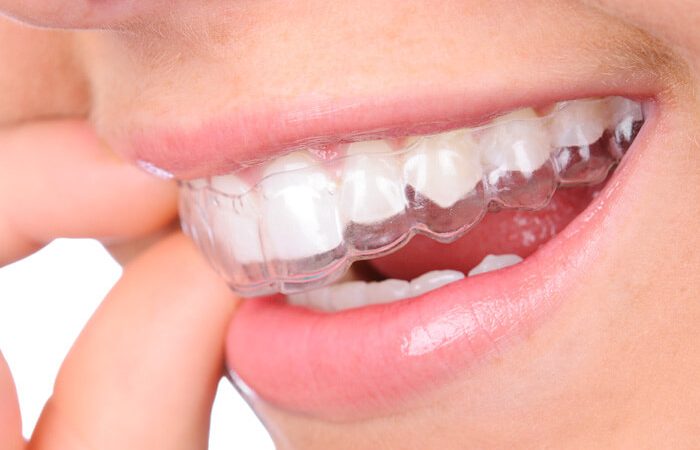
When examining the fundamental differences between traditional brackets and clear aligners, the distinction becomes immediately apparent. Metal braces feature sharp edges, protruding wires, and fixed components that remain in constant contact with the cheeks, lips, and tongue. Clear aligners, by contrast, employ smooth thermoplastic materials that conform precisely to the contours of the teeth, creating a protective barrier rather than a source of irritation. This thoughtful engineering makes a substantial difference to the daily experience of orthodontic patients.
The Science Behind Smooth Surfaces
The materials used in clear aligner fabrication play a crucial role in their comfort profile. Medical-grade thermoplastic polymers undergo extensive refinement to eliminate any rough edges or irregular surfaces that might cause friction against oral tissues. Unlike metal brackets that can catch on the inner cheeks or lips, clear aligners offer a significantly smoother orthodontic experience through their seamless construction. The edges of each aligner are carefully trimmed and polished to sit flush against the gumline without digging into sensitive tissue.
Research has consistently demonstrated the reduced incidence of soft tissue complications with clear aligner therapy compared to traditional fixed appliances. Patients report fewer instances of ulceration, abrasion, and general discomfort throughout their treatment period. This improvement in comfort translates to better compliance and ultimately more successful treatment outcomes, as patients are more likely to wear their aligners for the recommended duration when they experience minimal irritation.
Removability and Oral Health Benefits
One of the most significant advantages contributing to reduced soft tissue irritation is the removable nature of clear aligners. For those considering Invisalign, this feature offers considerable relief during meals and oral hygiene routines.
Unlike fixed braces that remain in place continuously, aligners can be temporarily removed, allowing the soft tissues of the mouth periodic respite from any contact with orthodontic appliances. This intermittent relief proves invaluable in preventing the cumulative irritation that often develops with permanent fixtures.
Precision Fit and Custom Engineering
The digital scanning and computer-aided design processes employed in creating clear aligners ensure an exceptionally precise fit for each individual patient. Advanced imaging technology captures detailed three-dimensional maps of the dental arches, allowing for aligners to be manufactured with tolerances measured in fractions of a millimetre. This custom engineering means that each aligner sits snugly against the teeth without excessive bulk or awkward protrusions that might rub against the tongue or cheeks.
The trimline of each aligner receives particular attention during the design phase, with careful consideration given to the scalloped contours of the gumline. By following the natural architecture of the gingival margin, aligners avoid impinging on the delicate gum tissue whilst maintaining adequate retention on the teeth. This thoughtful approach to design significantly reduces the likelihood of gingival inflammation or recession that can occasionally occur with poorly fitting orthodontic appliances.
Comparing Discomfort Levels Across Treatment Modalities
Clinical observations reveal distinct differences in patient-reported discomfort between various orthodontic approaches. Studies examining pain levels associated with different orthodontic treatments consistently indicate that clear aligner patients experience less soft tissue trauma. The absence of metal components eliminates the risk of bracket debonding, wire breakage, or sharp edges that frequently necessitate emergency appointments with traditional braces.
Furthermore, research into orthodontic treatment outcomes and patient comfort demonstrates measurable benefits in quality of life metrics for clear aligner users. The psychological comfort of knowing that irritation can be temporarily relieved by removing the aligners contributes to reduced anxiety and improved treatment satisfaction throughout the orthodontic journey.
Achieving Comfort Without Compromising Results
The remarkable aspect of modern clear aligner therapy lies in its ability to deliver exceptional orthodontic results whilst prioritising patient comfort. The minimisation of soft tissue irritation represents not merely a cosmetic consideration but a fundamental improvement in treatment philosophy. By eliminating unnecessary discomfort, clear aligners enable patients to focus on the positive transformation of their smile rather than enduring the daily challenges associated with traditional orthodontic appliances. This harmonious balance between efficacy and comfort exemplifies the best of contemporary dental innovation.