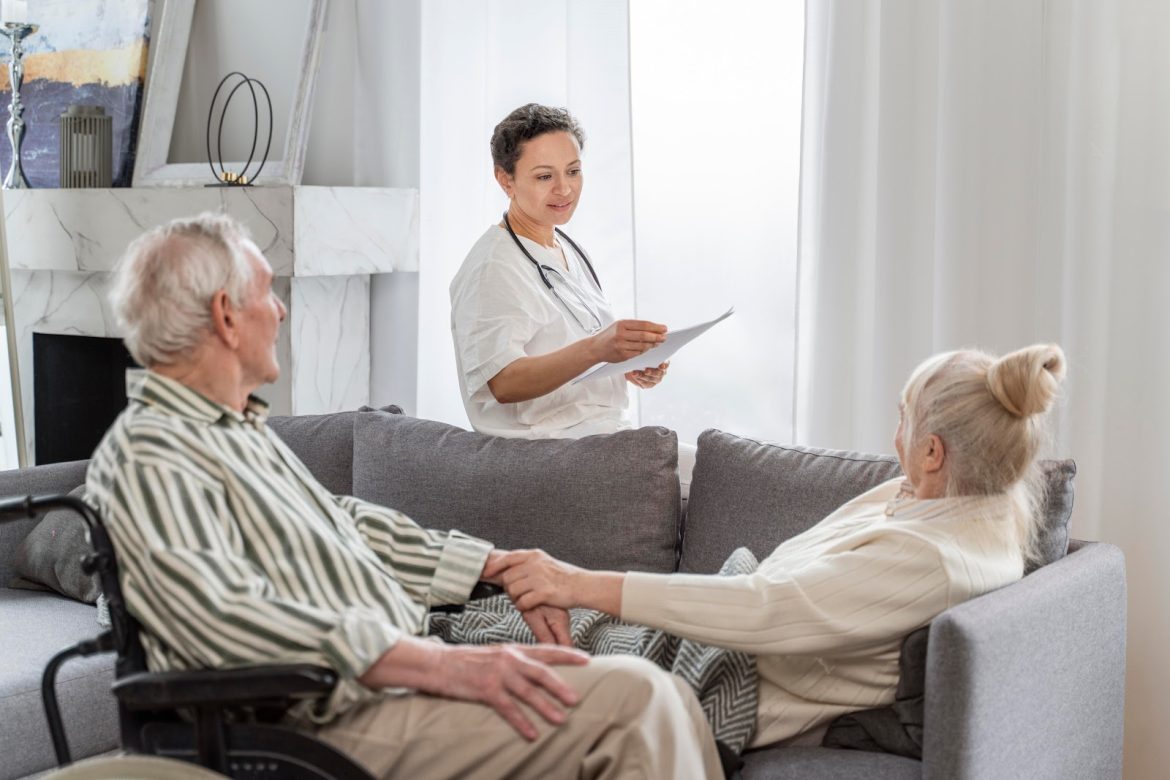
Choosing the right elder care facility means looking beyond appearance and amenities. Safety should be one of the top priorities for families and caregivers because it directly affects daily life, health outcomes, and peace of mind.
This guide breaks down the most important safety features to consider when evaluating an elder care community, explained clearly and practically, which helps you know what to look for and why it matters.
Why Safety Matters in Elder Care Facilities
Older adults can have a higher risk for falls, medical emergencies, confusion, or sudden health changes. A safe environment reduces risk and helps residents live confidently and comfortably.
Key benefits of proper safety features include:
- Fewer accidents and injuries
• Faster emergency response
• Reduced stress for families
• Enhanced independence for residents
Safety systems do not take away freedom — they protect it.
Secure Building Access
A secure facility helps prevent unauthorized entry and wandering out.
Important security features include:
- Controlled entry and exit points
• Sign-in systems for visitors
• Staff monitoring of doors
Security systems balance safety with a welcoming atmosphere.
Fall Prevention and Safe Mobility
Falls are one of the most common risks for older adults. Facilities should be designed to reduce that risk.
Look for:
- Non-slip flooring
• Handrails in hallways and bathrooms
• Even surfaces with no tripping hazards
• Well-lit walkways
These features support safe movement throughout the community.
Emergency Response Systems
Quick help during emergencies can be life-saving.
Elder care facilities should include:
- Wearable alert buttons for residents
• Call systems in bedrooms and bathrooms
• Staff trained for medical emergencies
Prompt response systems help families feel secure that help is always nearby.

Health Monitoring and Medication Management
Proper health oversight prevents avoidable complications.
Effective systems include:
- Regular wellness checks
• Secure medication storage
• Supervised medication reminders
• Coordination with healthcare providers
This ensures residents receive the right care at the right time.
Well Trained and Responsive Staff
Safety depends on people as much as physical features.
Staff should be:
- Trained in first aid and emergency procedures
• Skilled in assisting mobility
• Trained in dementia and behavior protocols
• Responsive and attentive
Friendly staff who know residents well are a core safety asset.
Fire and Disaster Preparedness
Every facility must plan for bigger emergencies, too.
Safety preparations should include:
- Smoke detectors and sprinklers
• Clearly marked evacuation routes
• Staff drills and resident guidance
• Emergency communication systems
Preparation helps reduce chaos and risk during unexpected events.
Clean and Sanitary Environment
Infection control is a core part of safety, especially for older adults who may be more vulnerable.
Good practices include:
- Regular cleaning schedules
• Easily accessible hand sanitizers
• Safe food handling
• Clean common areas and restrooms
A clean environment supports overall health and reduces preventable illness.
Safe Outdoor Spaces
Outdoor areas should be safe for walking and socializing.
Consider:
- Level walking paths
• Benches and shaded areas
• Safe access from indoors
Outdoor spaces help residents stay active and engaged while minimizing risk.
Personalized Safety Plans
Each resident has unique needs. Facilities should tailor safety approaches accordingly.
Personalized plans can address:
- Fall risk assessments
• Mobility limitations
• Medical conditions
• Memory-related challenges
Individual attention adds another layer of protection.
Visual and Navigational Cues
A simple design can reduce confusion and risk.
Useful design features include:
- Clear signage
• Color contrast in hallways
• Visual cues in living spaces
• Simple room layouts
These help residents navigate independently and safely.
Social Supervision and Engagement
Safety is not just physical — social connection reduces isolation and risk.
Communities that offer:
- Group activities
• Staff-led check-ins
• Social events
• Peer companionship
help residents stay mentally and emotionally supported.
Technology Integration for Safety
Modern facilities use technology to enhance safety.
Examples include:
- Motion sensors
• Digital monitoring systems
• Smart alerts for unusual activity
Technology adds support without replacing personal care.
Transparent Safety Policies
Families should ask about safety standards and protocols.
Important information includes:
- Staff training schedule
• Emergency plans
• Visitor guidelines
• Safety record history
Transparent communication builds confidence.
Choosing a Facility With Trusted Information
Selecting the right elder care facility comes down to informed decision-making. Families often review trusted resources and expert guidance to understand what quality care looks like.
Sites like Eclipse Senior Living help shed light on care standards, safety practices, and trends in senior care, giving families context as they compare options.
Questions Families Often Ask
1. What safety feature matters most
Emergency response systems and well-trained staff are often top priorities.
2. Is fall prevention really necessary
Yes, falls are a leading cause of injury for older adults.
3. Should I visit multiple facilities
Yes, firsthand observation helps assess safety and comfort.
4. How do I know if staff are well-trained
Ask about certifications, training programs, and staff experience.
5. What should I look for during a tour
Pay attention to lighting, flooring, emergency systems, and staff interactions.
Wrapping It Up
Safety features in elder care facilities are essential for protecting health, promoting independence, and giving families peace of mind. From secure entrances to personalized care plans, each element plays a role in creating supportive and secure living environments.
Evaluating these features carefully helps families choose a community that will not only keep their loved one safe but also support a fulfilling and engaged life.