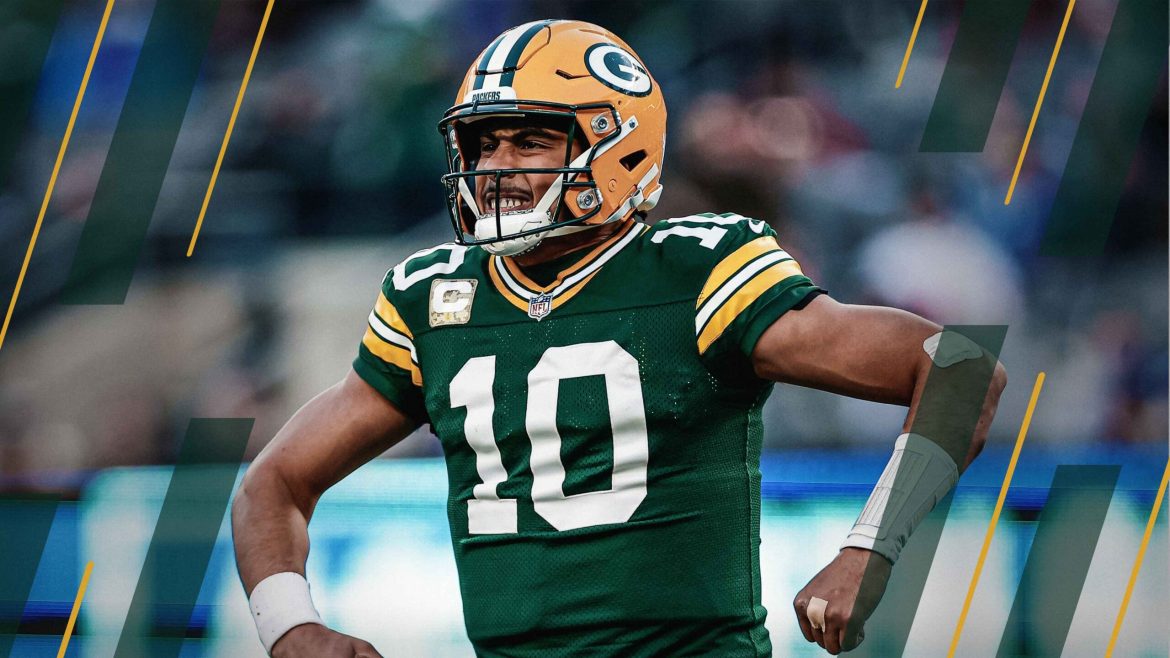
The Week 11 showdown between the Green Bay Packers and the New York Giants provided fans with a thrilling display of strategy, athleticism, and key statistical performances. With playoff implications on the line, both teams brought their A-game, combining offensive firepower with defensive grit. This statistical review explores the top performers in passing, rushing, and defensive categories, highlighting the players who made the most impact and analyzing how the game unfolded.
Game Summary
Green Bay emerged victorious in a contest defined by situational efficiency and clutch plays. The Packers’ ability to convert critical third downs, balance their offensive attack, and capitalize on defensive opportunities set them apart from the Giants.
New York displayed flashes of brilliance, particularly in yardage accumulation and rushing consistency, but turnovers and red-zone inefficiency ultimately prevented them from taking control. By examining individual and team statistics, we can understand the true drivers of this game’s outcome.
Passing Leaders
Green Bay Packers: Jordan Love
Packers quarterback Jordan Love displayed calm and efficiency in his passing game. Completing 13-of-24 passes for 174 yards with two touchdowns, Love demonstrated situational awareness and the ability to make high-value throws under pressure.
Critical points from Love’s performance included:
- Converting crucial third downs to extend drives
- Maintaining composure in the pocket to avoid turnovers
- Effectively targeting top receivers in scoring positions
While Love’s yardage totals were modest, his execution during key moments significantly contributed to the Packers’ victory.
Packers Receiving Leaders
Christian Watson emerged as Green Bay’s primary offensive threat. He recorded 5 catches for 64 yards and two touchdowns, including a game-winning score late in the fourth quarter. Watson’s speed and yards-after-catch ability created explosive plays that shifted momentum.
Supporting receivers contributed consistently, moving the chains and keeping defenses honest, allowing Love to focus on scoring opportunities in the red zone.
New York Giants: Jameis Winston
The Giants relied on quarterback Jameis Winston, who completed 19-of-29 passes for 201 yards and added a rushing touchdown. Winston spread the ball effectively, connecting with multiple receivers and creating passing opportunities downfield.
However, a late interception in the fourth quarter highlighted the importance of ball security in critical moments, ultimately undermining New York’s chance at a comeback.
Giants Receiving Leaders
Key Giants receivers included Isaiah Hodgins and Wan’Dale Robinson:
- Hodgins: 5 receptions for 57 yards
- Robinson: 4 receptions for 36 yards
While the duo moved the chains effectively, they were unable to produce touchdown plays against Green Bay’s secondary, limiting the Giants’ offensive scoring opportunities.

Rushing Leaders
Packers Running Backs
Green Bay’s rushing game complemented its passing attack effectively:
- Aaron Jones: 89 rushing yards on 19 carries, providing steady gains and maintaining drive rhythm
- Emmanuel Wilson: 40 yards and a touchdown, adding versatility and short-yardage efficiency
By maintaining a balanced offensive approach, the Packers controlled the clock and prevented the Giants’ defense from focusing exclusively on the pass.
Giants Running Backs
New York showcased a multi-faceted rushing attack:
- Tyrone Tracy Jr.: contributed key yards on second-quarter drives
- Devin Singletary: two rushing touchdowns, demonstrating efficiency in goal-line situations
While effective at moving the chains, the Giants’ rushing efforts lacked the complementary passing efficiency needed to convert yardage into points consistently.
Defensive Leaders
Packers Defensive Standouts
The Packers’ defense proved decisive:
- Safety Evan Williams intercepted a critical fourth-quarter pass to secure the win
- Defensive line pressure forced hurried throws, disrupting Winston’s timing
- Cornerbacks limited deep passing plays, containing explosive threats
Green Bay’s defensive performance highlighted the value of high-leverage plays over total yardage allowed, ultimately helping determine the final outcome.
Giants Defensive Highlights
The Giants produced notable defensive moments but struggled with consistency:
- The front seven applied intermittent pressure to Jordan Love
- Secondary coverage limited intermediate completions at times
Despite these efforts, New York failed to create turnovers or prevent Green Bay’s key scoring plays.
Key Statistics and Insights
Total Yardage
- Packers: 296 total yards
- Giants: 336 total yards
Although the Giants outgained the Packers, Green Bay’s efficiency in converting drives into points proved decisive, reinforcing the importance of situational effectiveness.
Turnover Margin
- Packers forced one turnover
- Giants committed one turnover (fourth-quarter interception)
Turnover margin proved critical, emphasizing the need for ball security in close contests.
Third-Down and Red-Zone Performance
- Packers converted a higher percentage of third downs
- Packers excelled in red-zone execution, while the Giants struggled to score touchdowns despite yardage gains
These stats illustrate the importance of situational execution over raw yardage totals.
Special Teams Contributions
Special teams played a key role in controlling field position:
- Packers coverage minimized return yardage, forcing deep starts for Giants drives
- Both teams were efficient in field goals and extra points
- Green Bay’s strategic punting helped control possession and clock management
Although often overlooked, these plays influenced momentum and scoring opportunities.
Fantasy Football Takeaways
- Christian Watson: High-value target due to scoring efficiency
- Aaron Jones: Reliable rushing stats and possession control
- Devin Singletary: End-zone threat adds short-yardage value
- Jordan Love: Consistent QB performance for mid-tier fantasy managers
- Jameis Winston: Yardage production promising but carries turnover risk
High-leverage plays were more impactful than raw yardage, highlighting key fantasy insights for Week 11.
Game-Changing Moments
- Watson’s fourth-quarter touchdown
- Evan Williams’ interception to secure the win
- Green Bay’s crucial third-down conversions late in the game
- Winston’s interception under pressure in the final minute
For fans who want a full breakdown of every player’s contribution in these pivotal moments, check out the detailed Packers vs Giants player performance review, which includes passing, rushing, and defensive stats along with all key impact plays.
These moments shaped the outcome and emphasized the impact of individual contributions.
Who Made the Biggest Impact?
The Packers’ Christian Watson and Evan Williams had the most decisive influence, with Watson dominating offensively and Williams securing critical defensive plays. Jordan Love and Aaron Jones provided strong supporting performances.
For the Giants, Devin Singletary and Winston were productive but limited by turnovers and red-zone inefficiency.
Season Implications
Packers
The victory strengthens playoff positioning, demonstrating a balanced offense, situational awareness, and defensive reliability. The team showcased the ability to win close games through efficiency and strategic execution.
Giants
The defeat emphasizes the need for better turnover management, red-zone efficiency, and defensive consistency. Individual stats show potential, but converting yardage into wins remains a challenge.
Conclusion
The Week 11 matchup between the Packers and Giants showcased how passing, rushing, and defensive performance drive NFL outcomes. While yardage totals matter, efficiency, situational execution, and high-leverage plays were the true difference-makers.
Players like Christian Watson, Evan Williams, and Aaron Jones highlighted how individual contributions can shift momentum. This game serves as a clear reminder that NFL success depends not only on raw statistics but also on timing, execution, and impact plays.