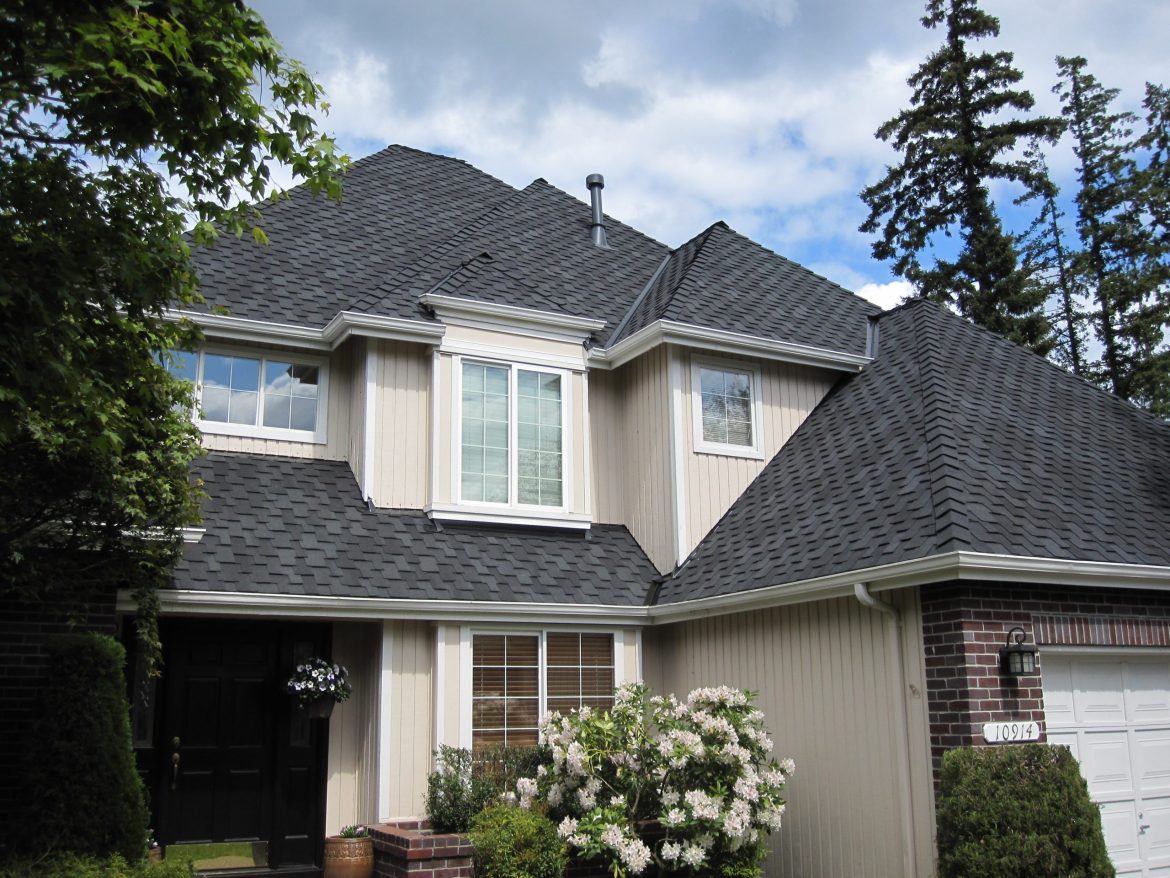
Seattle is one of the most desirable cities in the United States for families seeking a balance of career opportunities, natural beauty, and a strong sense of community. Known for its thriving tech industry, excellent schools, and access to outdoor recreation, Seattle offers a wide range of neighborhoods that cater to different family needs and lifestyles.
Choosing the right neighborhood for your family is one of the most important decisions you’ll make when buying a home. Beyond the house itself, the surrounding community plays a major role in daily life, long-term happiness, and financial stability. From school quality and safety to commute times and recreational access, multiple factors should guide your decision.
Seattle’s neighborhoods are diverse, each with its own personality, price point, and amenities. Understanding how these elements align with your family’s priorities is key to making a confident and informed choice. This guide walks you through everything you need to consider when selecting the right Seattle neighborhood for your family.
Understand Your Family’s Priorities
Before evaluating specific neighborhoods, it’s important to clarify what matters most to your family. Every household has different needs depending on lifestyle, work arrangements, and long-term goals.
Some families prioritize access to highly rated schools, while others focus on safety, green space, or proximity to work. Creating a clear list of priorities helps narrow down options and avoid feeling overwhelmed by Seattle’s many choices.
Key questions to consider include:
- How important is school quality?
- Do you prefer an urban, suburban, or residential environment?
- What commute time is acceptable?
- Are parks, playgrounds, and outdoor activities essential?
- Do you plan to stay long term or relocate in the future?
Aligning neighborhood characteristics with your family’s priorities ensures a better overall fit.

School Quality and Education Options
For many families, schools are the top deciding factor when choosing a neighborhood. Seattle offers a mix of public, private, and charter schools, with quality varying by area.
Public Schools
Seattle Public Schools serve different neighborhoods with varying performance levels. Researching test scores, graduation rates, and parent reviews can provide insight into school quality.
Private and Alternative Education
Some neighborhoods offer easy access to private schools, Montessori programs, and specialized learning environments. This flexibility can be appealing for families seeking alternatives to traditional public education.
Proximity Matters
Living close to schools reduces commute time, simplifies daily routines, and allows children to participate more easily in after-school activities.
School quality often impacts property values, making education-focused neighborhoods attractive for both lifestyle and long-term investment.
Safety and Community Atmosphere
A sense of safety and belonging is essential for families. While Seattle is generally considered a safe city, safety levels vary by neighborhood.
Crime Rates and Community Engagement
Research crime statistics and community involvement. Neighborhoods with active community associations, neighborhood watch programs, and family-friendly events often foster safer environments.
Walkability and Street Design
Well-lit streets, sidewalks, and traffic-calming measures contribute to safer, more walkable neighborhoods where children can play and families can connect.
Community Culture
Some neighborhoods have a strong family presence, with block parties, school events, and local organizations that help families feel connected.
Choosing a neighborhood with a supportive community atmosphere can significantly enhance quality of life.
Access to Parks, Recreation, and Outdoor Space
Seattle’s access to nature is one of its greatest strengths. Families often prioritize neighborhoods with easy access to parks, trails, and recreational facilities.
Parks and Playgrounds
Neighborhoods near playgrounds, sports fields, and community centers offer children opportunities for physical activity and social interaction.
Outdoor Activities
Proximity to green spaces, waterfronts, and hiking trails supports an active lifestyle and promotes family wellness.
Year-Round Use
Even during Seattle’s rainy months, accessible outdoor spaces encourage families to stay active and engaged.
Neighborhoods with abundant outdoor amenities are particularly attractive to growing families.
Commute Times and Transportation
Daily commutes play a major role in family routines. Seattle’s traffic and transportation infrastructure should be carefully considered when choosing a neighborhood.
Proximity to Work
Living closer to work reduces commute stress and allows for more family time. With many employers located in downtown Seattle, South Lake Union, and Bellevue, location matters.
Public Transportation
Access to light rail, buses, and park-and-ride options can make commuting easier and more predictable.
School and Activity Commutes
Beyond work, consider travel time to schools, childcare, extracurricular activities, and healthcare facilities.
A manageable commute improves work-life balance and overall family satisfaction.
Housing Types and Affordability
Seattle offers a range of housing options, from single-family homes and townhouses to condos and multi-family properties.
Space and Layout
Families often need multiple bedrooms, storage space, and outdoor areas. Certain neighborhoods offer larger lot sizes and family-oriented housing styles.
Budget Considerations
Housing prices vary significantly by neighborhood. Balancing affordability with desired amenities is key to avoiding financial strain.
Long-Term Value
Neighborhoods with strong schools, low crime, and access to amenities tend to maintain value over time, making them attractive for long-term ownership.
Evaluating housing options carefully helps families find a home that meets current needs and future plans.
Family-Friendly Seattle Neighborhoods to Explore
Seattle has several neighborhoods known for their family appeal.
Ballard
Ballard offers a strong sense of community, parks, good schools, and a mix of housing options. Its walkable areas and family-friendly amenities make it a popular choice.
West Seattle
West Seattle provides a suburban feel with scenic views, parks, and quieter streets while remaining accessible to downtown.
Green Lake
Known for its namesake park, Green Lake is ideal for families who value outdoor recreation, walkability, and community activities.
Magnolia
Magnolia features residential streets, strong schools, and access to nature, making it attractive for families seeking a peaceful environment.
Exploring neighborhoods in person helps families assess which areas align best with their lifestyle.
Using Professional Resources and Market Tools
Navigating Seattle’s competitive housing market can be challenging, especially for families balancing multiple priorities.
Working with experienced real estate professionals provides valuable guidance on neighborhood trends, pricing, and availability. In addition, platforms such as AKI homes online can help families explore listings, compare neighborhoods, and gain insights into local market conditions, making the search process more efficient.
Reliable information and expert support allow families to make confident, informed decisions.
Long-Term Considerations for Growing Families
When choosing a neighborhood, think beyond immediate needs.
Future Space Needs
Consider whether the home and neighborhood will still work as children grow older.
Resale Potential
Neighborhoods with strong demand, good schools, and community amenities tend to perform better over time.
Stability and Growth
Areas with ongoing investment and infrastructure improvements often offer better long-term value.
Planning with the future in mind helps families avoid the need for frequent moves.
Frequently Asked Questions (FAQs)
-
What is the best Seattle neighborhood for families?
Neighborhoods like Ballard, West Seattle, Green Lake, and Magnolia are popular for their schools, parks, and community atmosphere.
-
How important are school ratings when choosing a neighborhood?
School quality strongly impacts daily life, long-term satisfaction, and property values, making it a key consideration for families.
-
Are suburban neighborhoods better for families than urban areas?
It depends on lifestyle preferences. Suburban areas offer space and quiet, while urban neighborhoods provide walkability and amenities.
-
How can families balance affordability with amenities in Seattle?
Prioritizing essential features and exploring emerging neighborhoods can help families find value without sacrificing quality.
-
Should families think about resale value when buying?
Yes. Choosing a neighborhood with strong demand and amenities helps protect long-term investment value.
Finding a Place Your Family Can Call Home
Choosing the right neighborhood for your family in Seattle is about more than finding a house—it’s about selecting a community that supports your lifestyle, values, and long-term goals. By focusing on school quality, safety, outdoor access, commute convenience, and housing options, families can narrow down neighborhoods that truly fit their needs.
Seattle’s diverse neighborhoods offer something for every family, whether you prefer urban energy or a quieter residential setting. With thoughtful research, clear priorities, and the right resources, finding a neighborhood where your family can thrive becomes an achievable and rewarding journey.
Read More